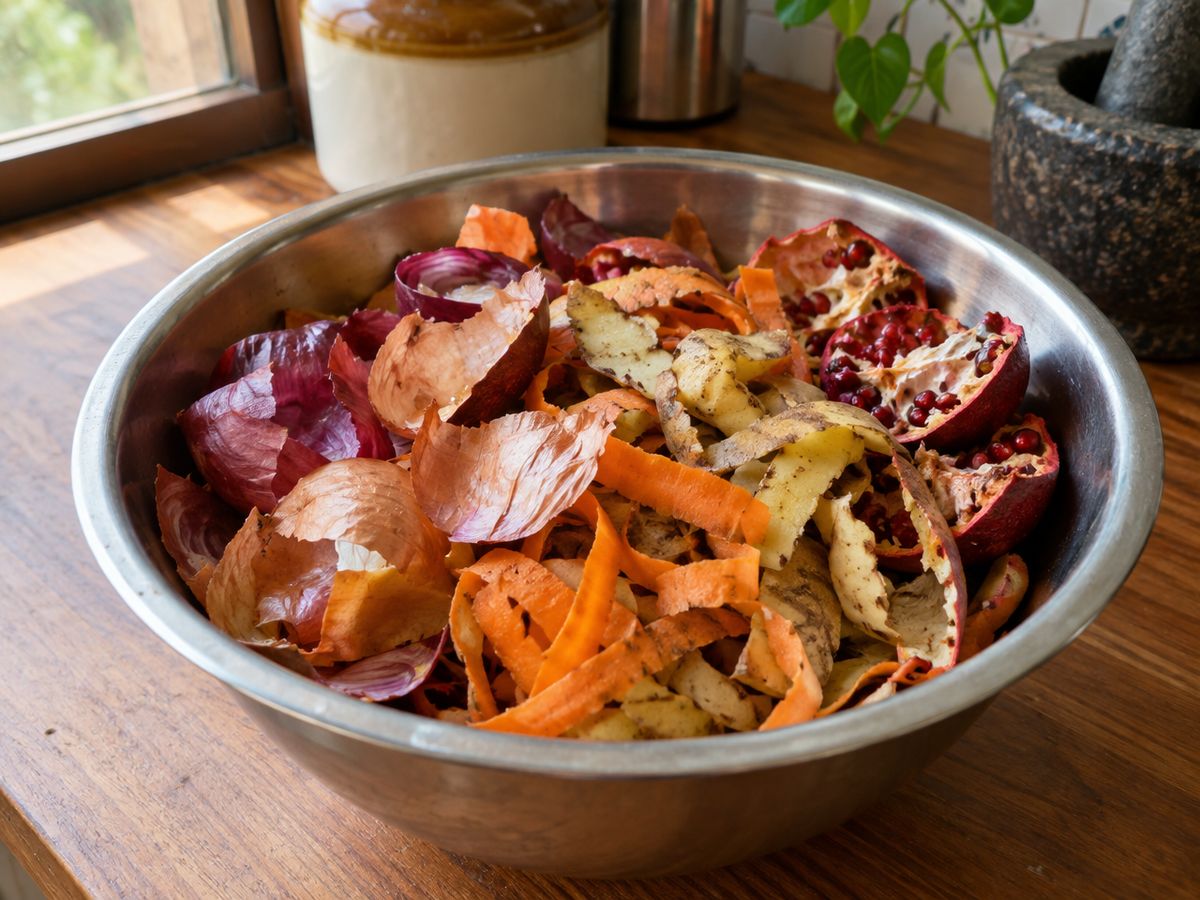
Onion skins can dye cloth gold
Dry onion skins release a warm yellow-orange colour that textile artists have used for generations.
Peel & Bloom turns peels, fruit and vegetable waste into soil, animal feed, natural colour and community meals. Started by Chopskip in Jaipur.
From peel to bloom.
Food that was grown, watered and carried to our kitchens too often ends up as waste. Here is the size of the problem, and the small part we can play.
Source: UNEP Food Waste Index Report 2024 (figures for 2022, rounded).
Dry onion skins release a warm yellow-orange colour that textile artists have used for generations.
When food rots without air it releases methane, a powerful greenhouse gas. Composting keeps that from happening.
Neighbouring Sanganer and Bagru are known for hand block printing, and Bagru for its mud-resist dabu prints.
The kilograms are already being weighed and published on the Peel Project's Peel Bank. These five are the Foundation milestones that haven't happened yet.
These numbers only move when a weighing log or receipt exists. We will update them every month. For the live kilogram ledger, see the Peel Bank.
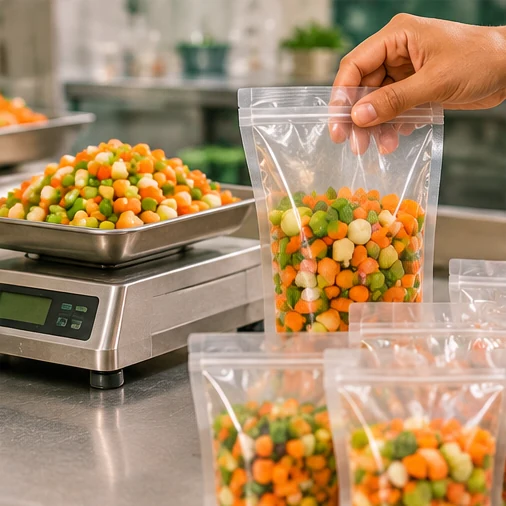
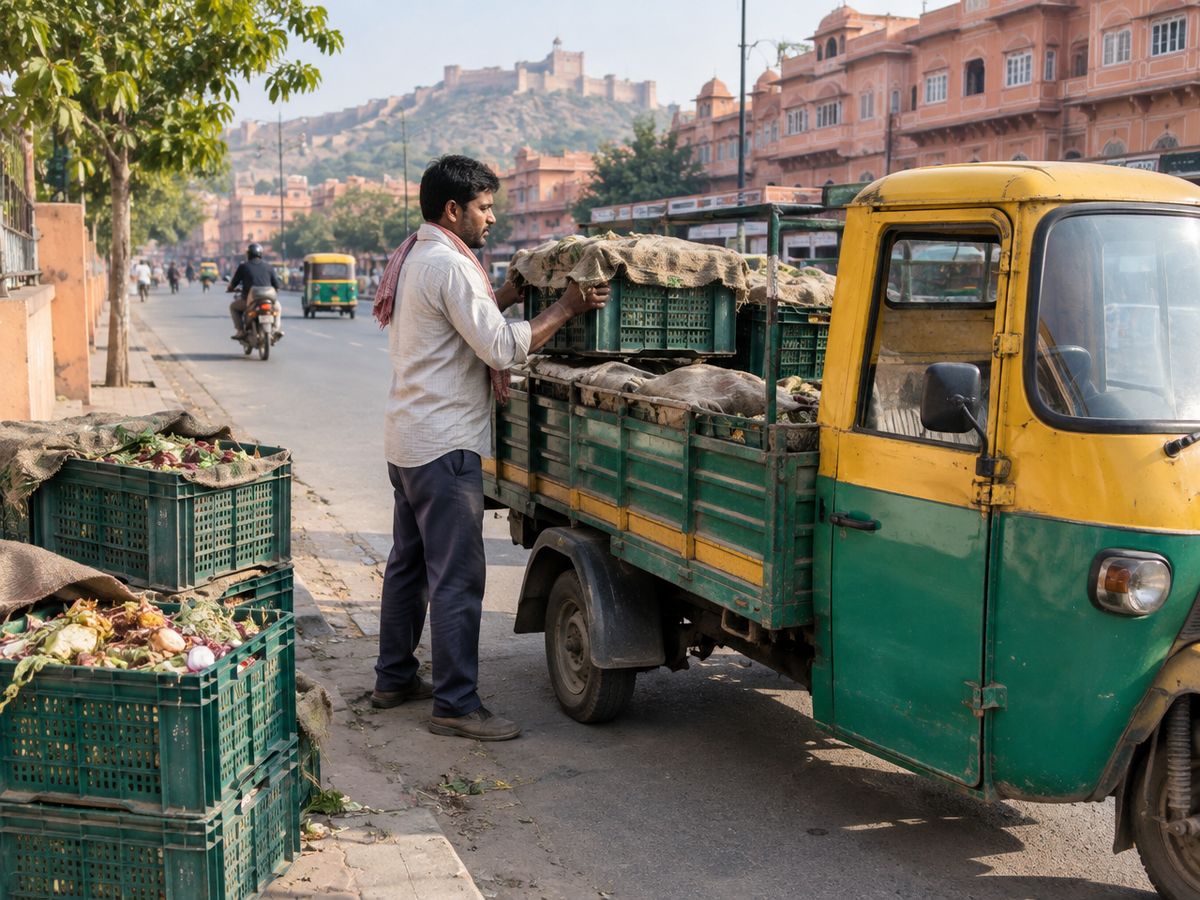
From the mandi to the chopping board, a lot of good material is left over. Peel & Bloom follows it, weighs it, and finds it a second life.
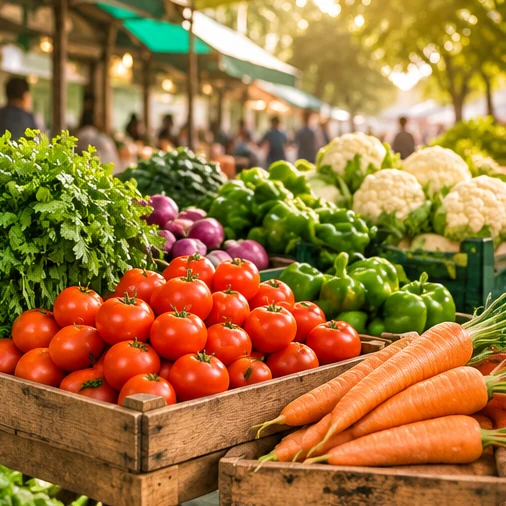
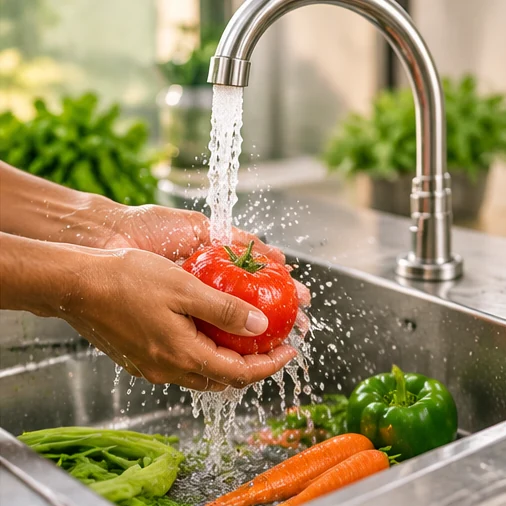
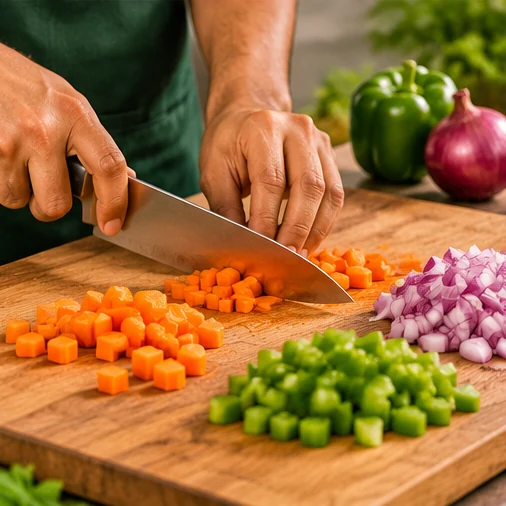
Tap a tab. Each one shows what it does and how you can help, and opens a WhatsApp chat about it.
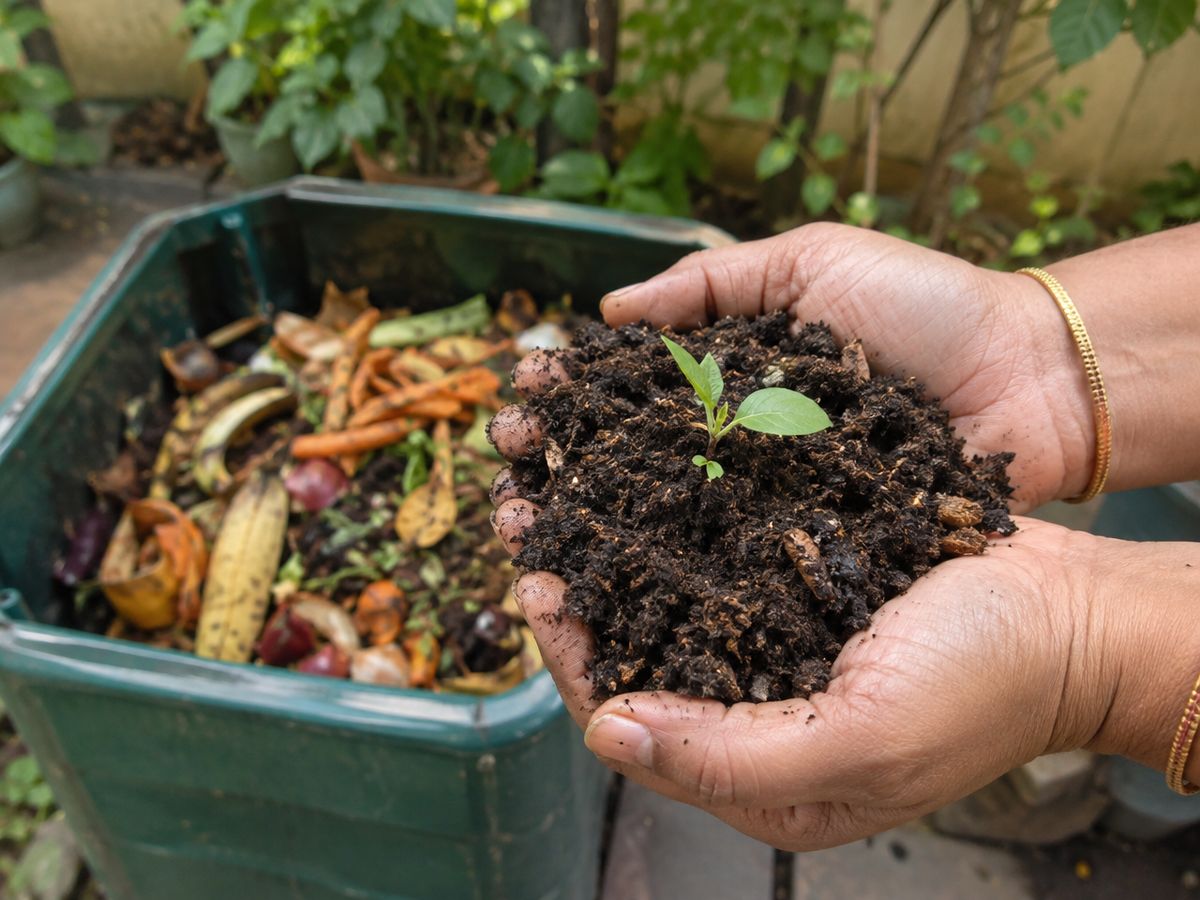
Peels and trimmings become compost and soil. We want school gardens and Anganwadis to grow something from it.
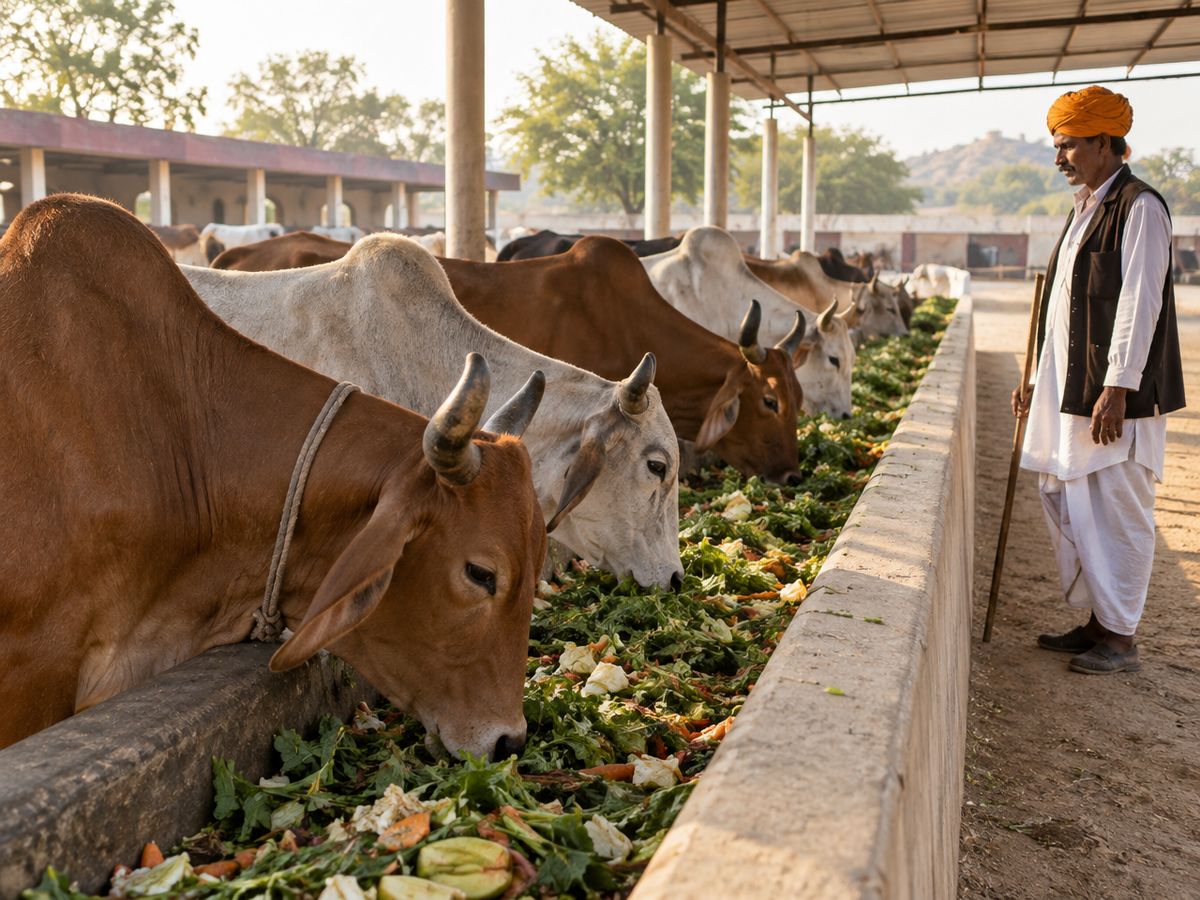
Safe peels and trimmings go to a partner gaushala. A vet reviews the accepted list first.
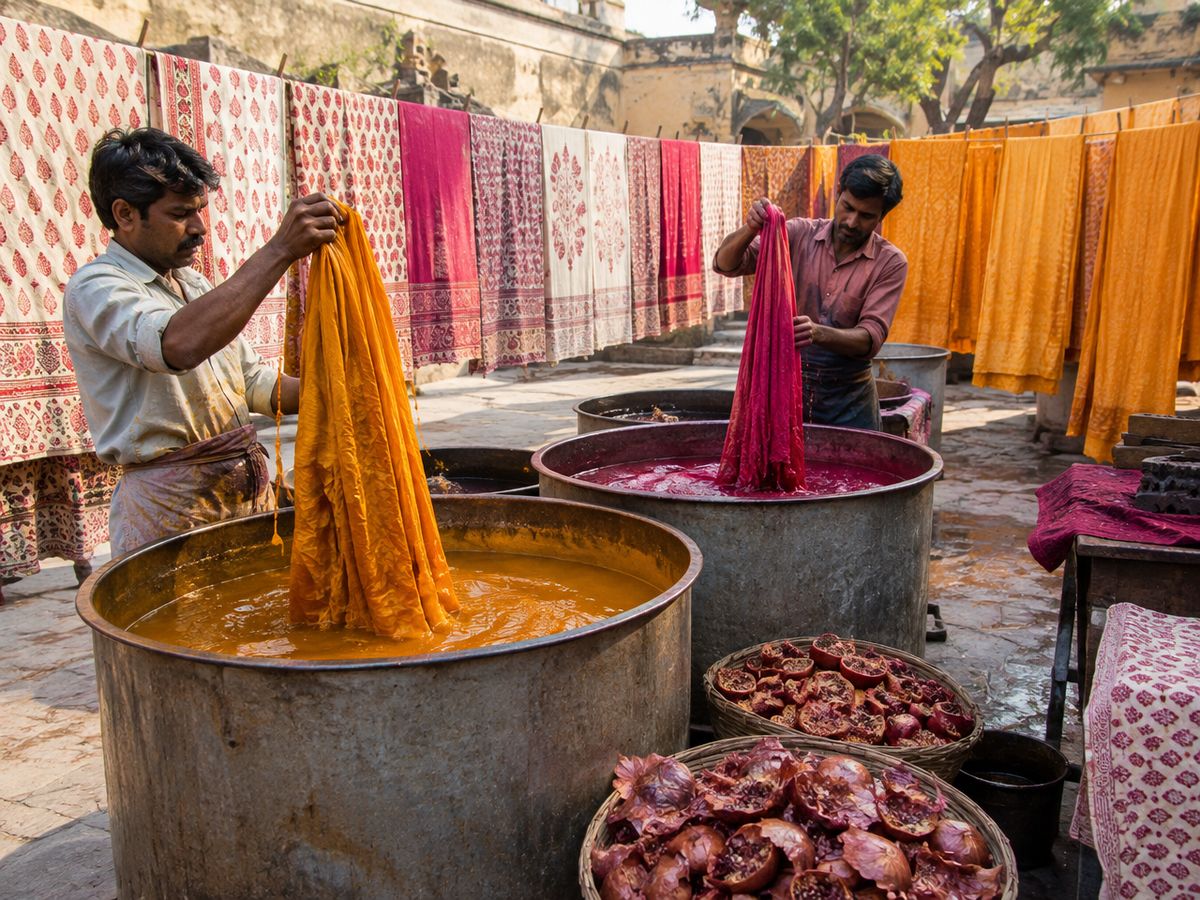
Onion skins, pomegranate rinds and more become natural dyes, made together with artisan groups in Jaipur.
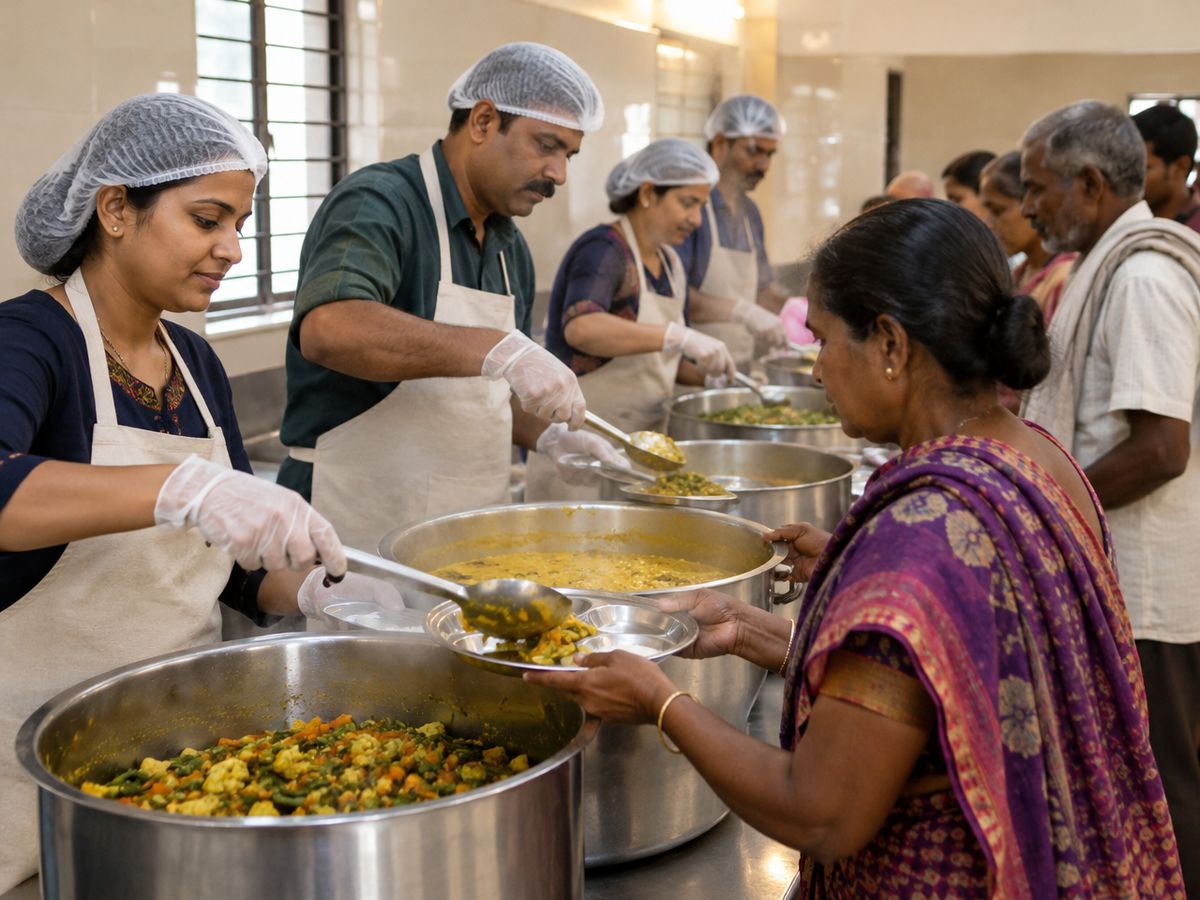
Good surplus produce can become meals. This only happens through partners who already follow food-safety rules.
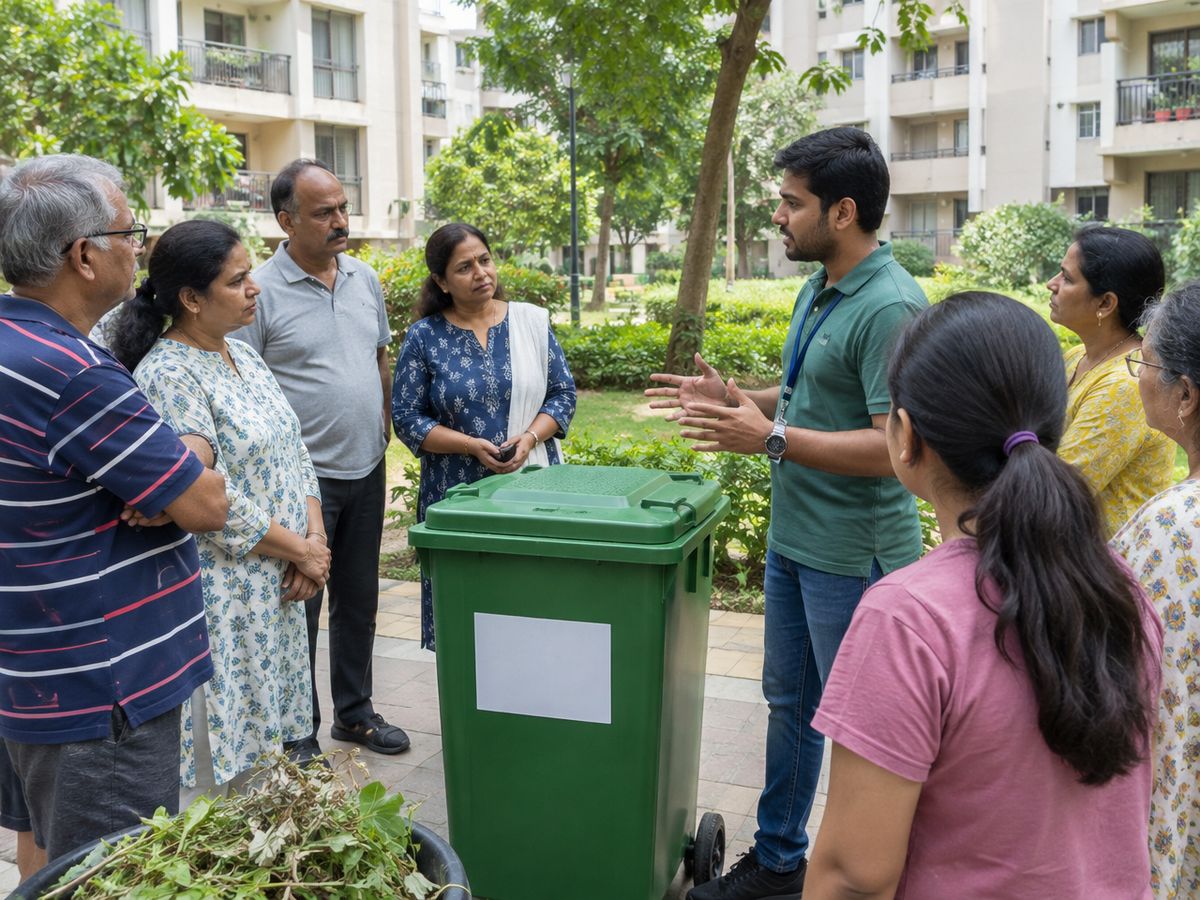
A collection point in your housing society, weekly pickup, and a friendly race to be the greenest colony in Jaipur.
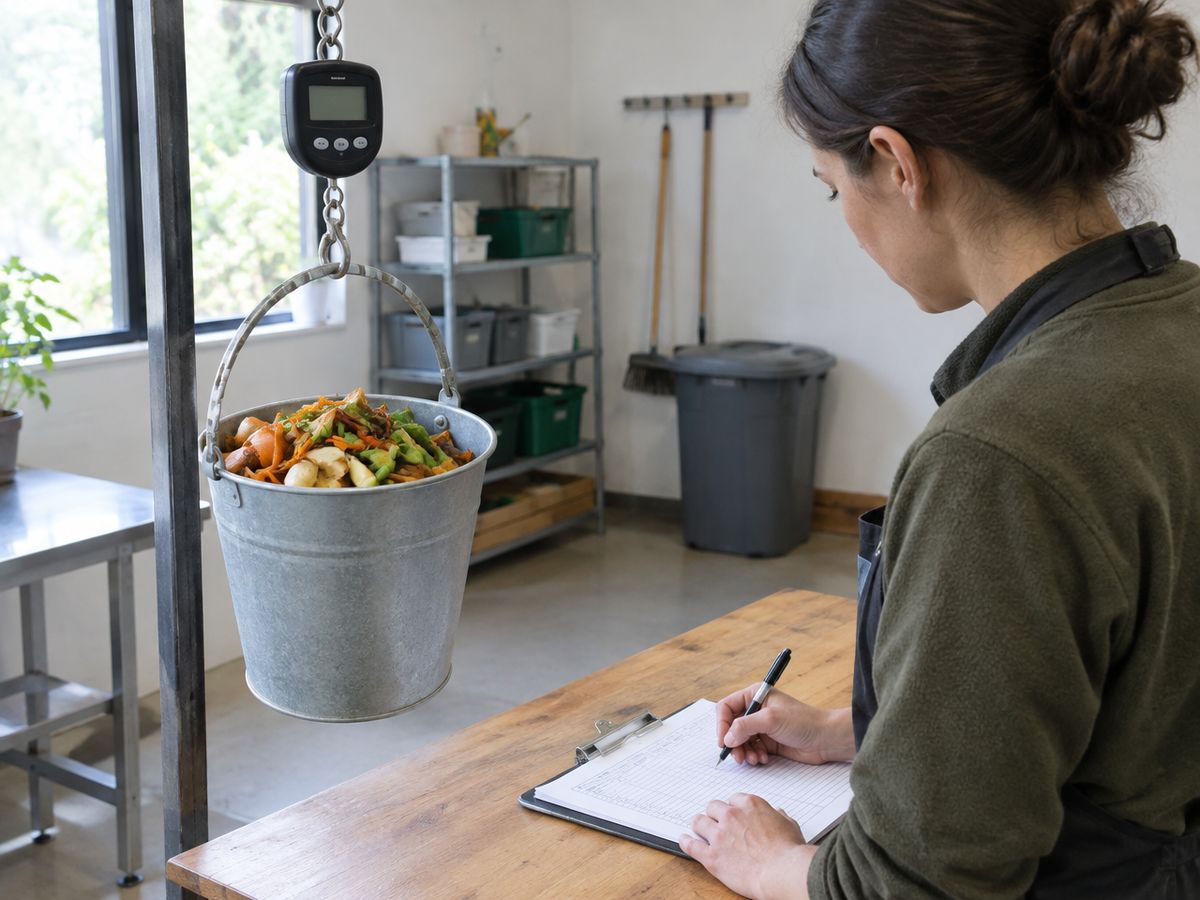
Everything is weighed, logged and published, so you can see where each kilo went.
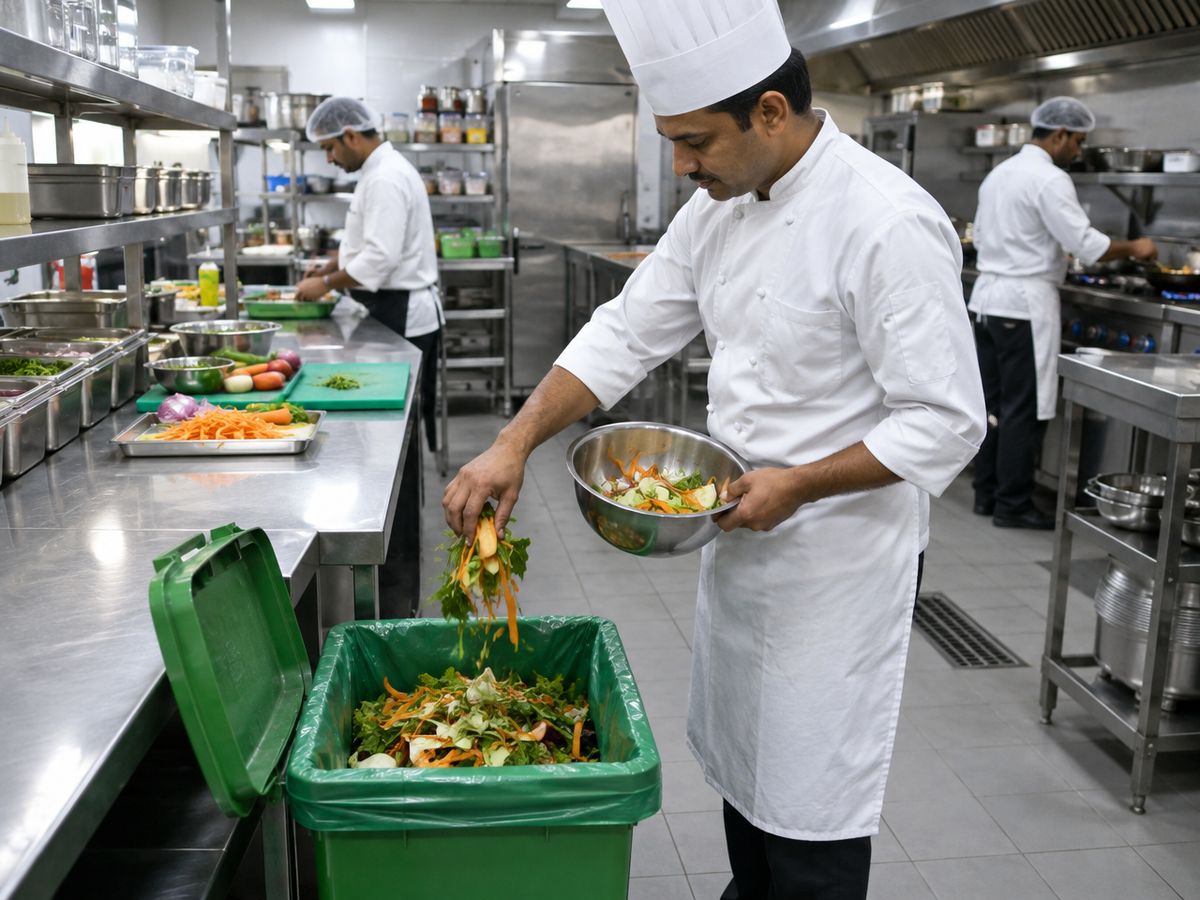
Offices, hotels and restaurants send their kitchen peels and receive a quarterly report with kilos and outcomes.
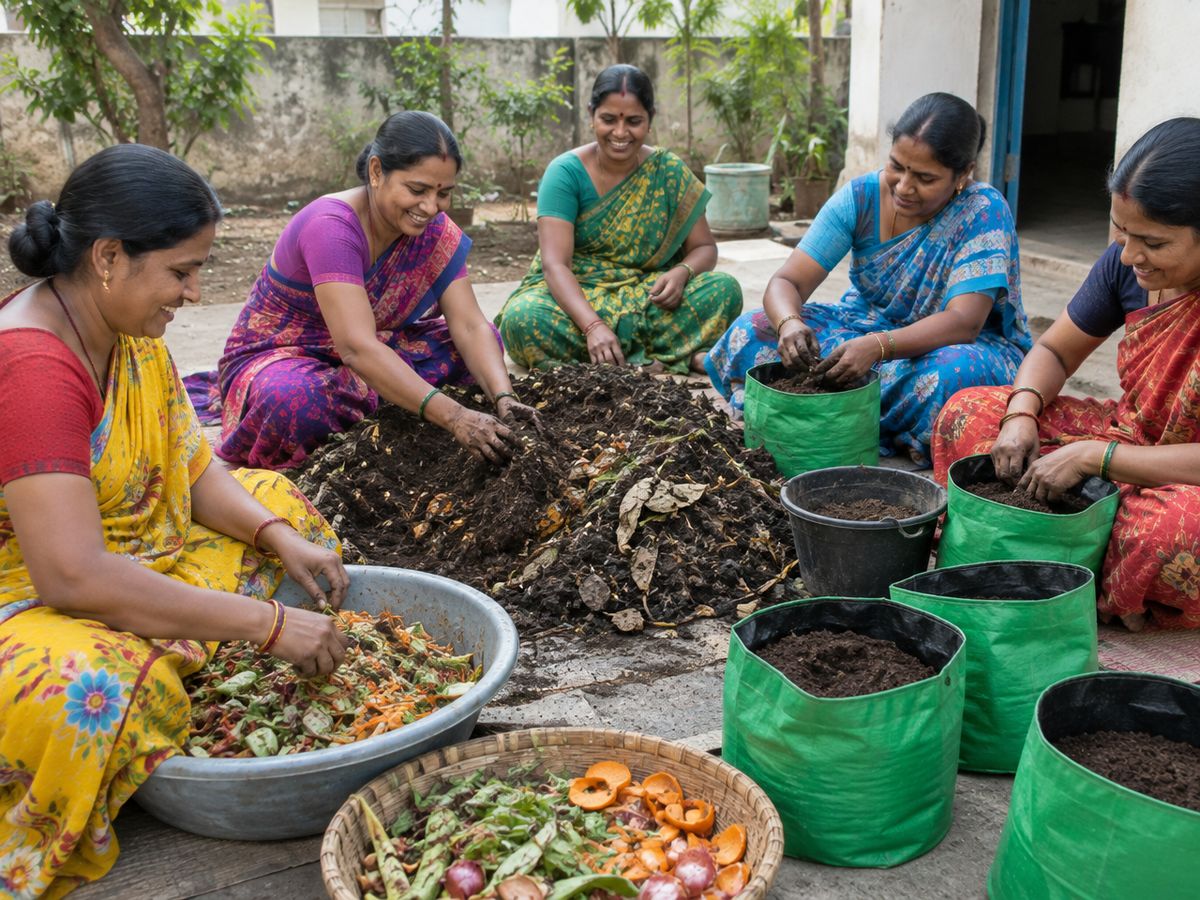
Waste work is real work. We are building paid roles for the people who collect, sort, dye and grow.
Tap a peel to see what it can become. This is the same sorting guide our collectors will use.
* Feed only goes to animals after our partner vet approves the list. Onion, garlic and citrus are always excluded. For the live, weighed kilograms behind these categories, see the Peel Bank on the Peel Project page.
Caring for the planet should also pay the rent. Peel & Bloom is being built so the people who collect, sort, dye and grow are paid fairly, on time, and in the open.
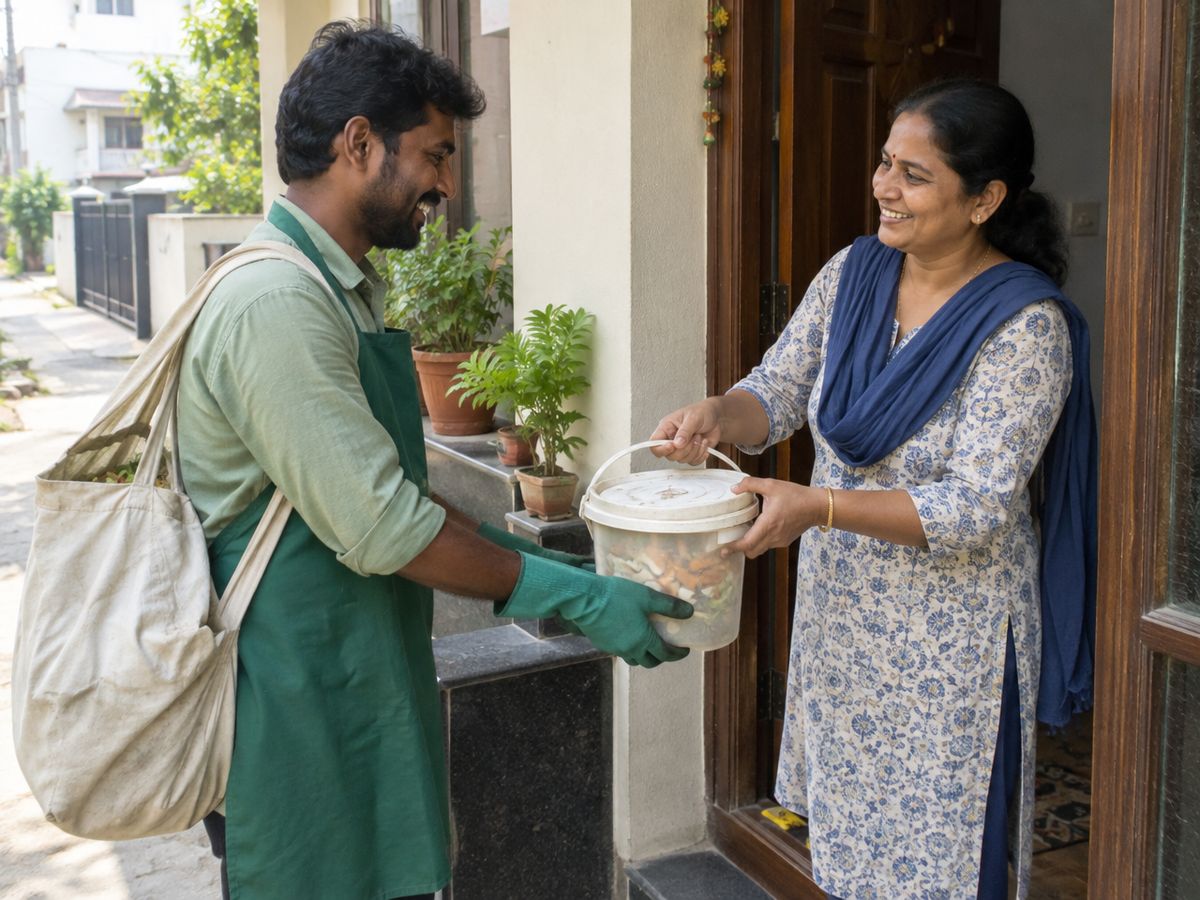 Planned
Neighbours who collect from colonies, kitchens and mandis, paid per verified kilo.
PlannedTextile artisans in Jaipur turning onion skin and pomegranate rind into colour, with fair pay.
PlannedSelf-help groups making compost, soil kits and grow-a-plant packs for school gardens.
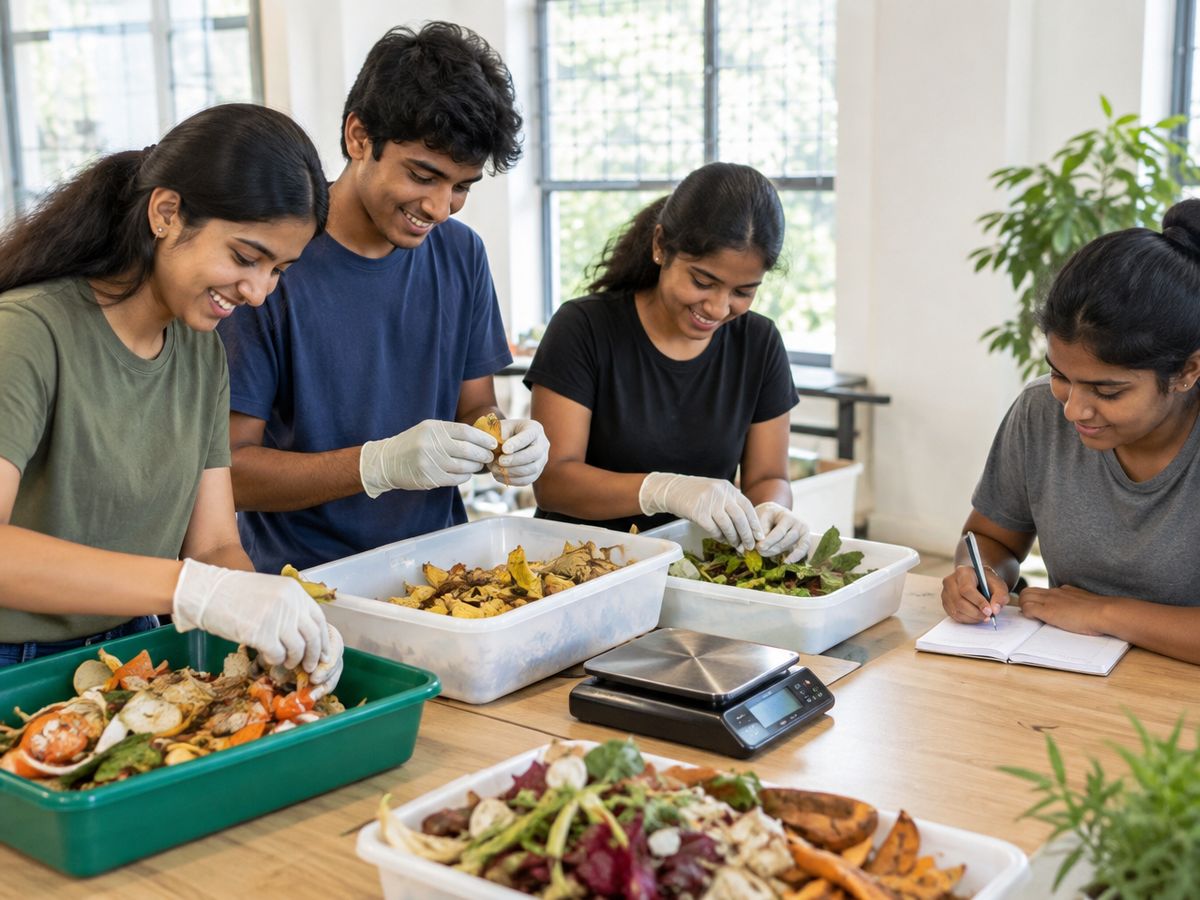 Planned
Learn-and-earn roles in weighing, workshops and reporting for young people from the colonies.
Long before us, farmers, villagers, artists and young people showed that caring for nature, animals and waste can also create work, beauty and hope. Here are a few of their stories, and what we borrow from each.
Short summaries from public sources. These people and organisations are not affiliated with Peel & Bloom and have not endorsed it. We share them as inspiration.
What you do makes a difference, and you have to decide what kind of difference you want to make.
In nature nothing exists alone.
Drop by drop, an ocean fills.
No one will protect what they don’t care about; and no one will care about what they have never experienced.
Every peel holds a fresh beginning.
Ecology is permanent economy.
There is no such thing as waste, only a resource in the wrong place.
When we try to pick out anything by itself, we find it hitched to everything else in the universe.
Work for every hand, purpose for every peel.
Give back to the soil what the soil gave.
Respect the food, respect the farmer.
Quotes are widely cited; the wording can vary slightly between sources.
Slide to your household size and see a rough monthly number. Then share it with your family group.
Rough estimate. It assumes about 100 g of peels and trimmings per person per day.
Pick an amount, scan the code with any UPI app, and you are part of it. Any amount helps, and we will post how it is used.
Every small gift, a new bloom.
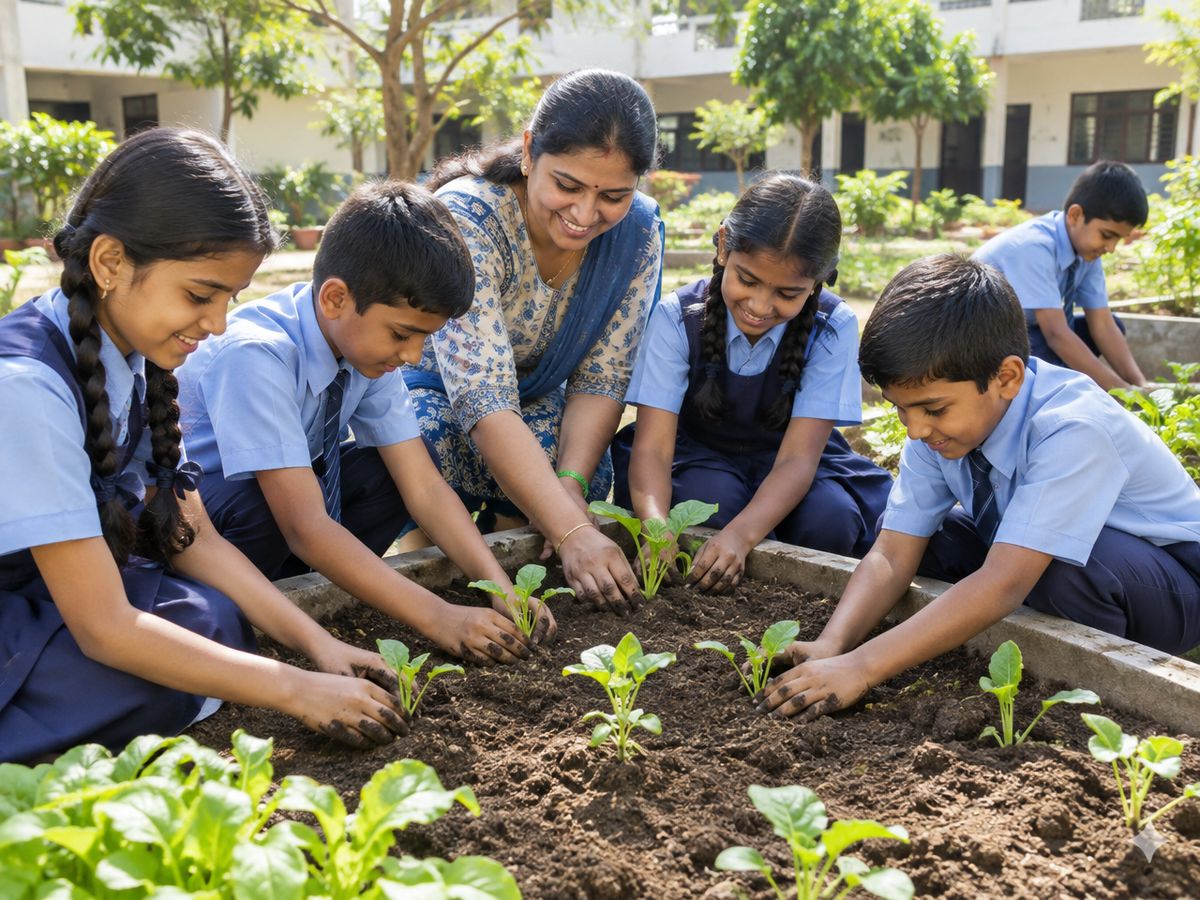
These are goals, not results. We will move each one to “done” here, with photos, once it really happens.
Goal 01A bed of peel soil, grown and looked after by children.
Goal 02A restaurant, café or office that badges its waste as sorted.
 Goal 03
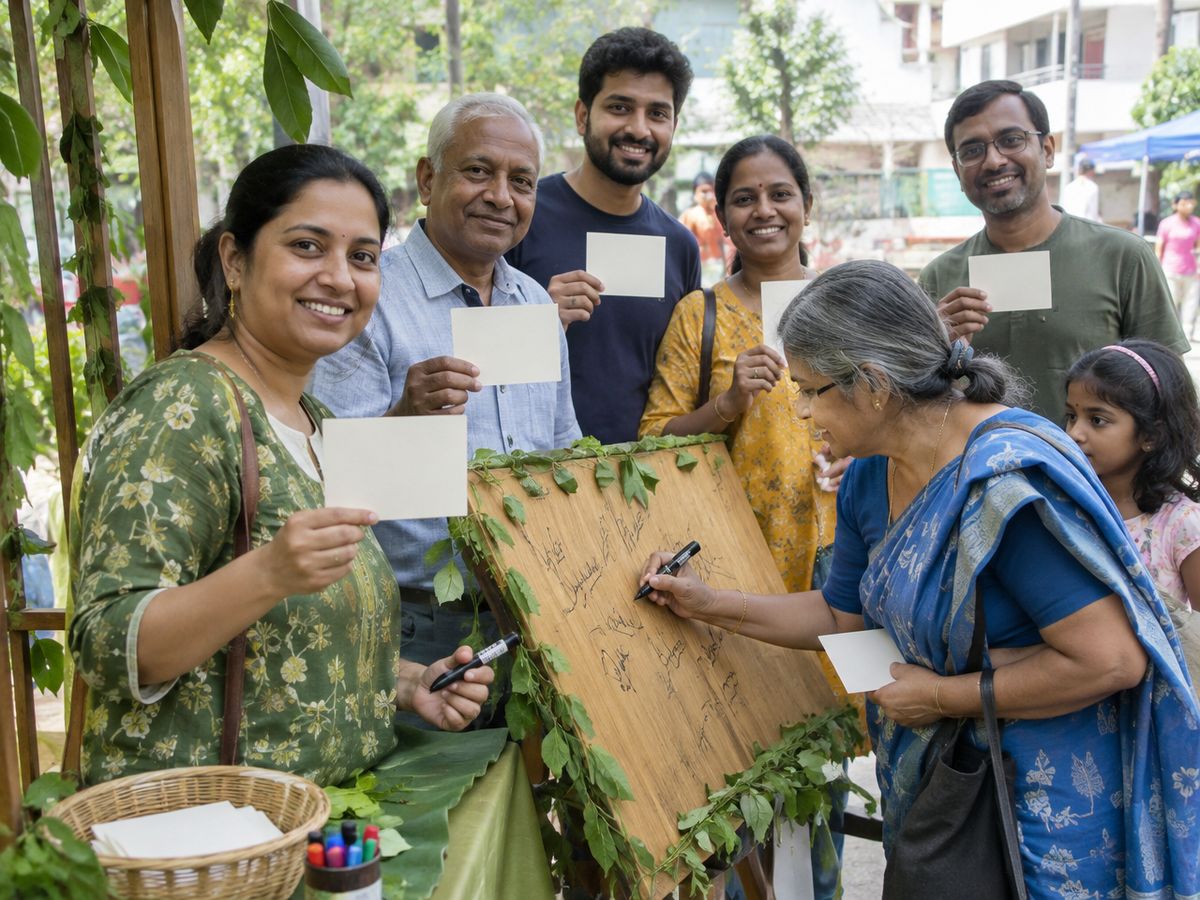
100 named people who keep their peels out of the bin.
Goal 04A bin, a pickup day and a leaderboard in each.
 Goal 05
So contributions can one day carry an 80G tax receipt.
Goal 06Through a partner kitchen that follows food-safety rules.
I kept watching the same thing every evening: good food delayed by chopping. One day I thought, someone should just do this part for us.
Founder, Chopskip · JaipurAdd your name, see your card, and send it to someone who should join.
Become a Peel Collector and see where your peels go.
Bring a collection point to your society.
A garden, a lesson, a class challenge.
Help with weighing, pickups and workshops.
Offices, hotels and restaurants can join Bloom Business.
Chopskip, a fresh-cut vegetable and kit service in Jaipur. We are setting up a separate trust so the work can stand on its own.
For now, contributions are voluntary support for the Peel Project and are paid to Chopskip. We spend them on scales, soil kits, feed transport and dye tests, and we will post how.
Not yet. Contributions are not tax-deductible until the trust is registered and approved for 80G. We will say so here when that changes.
A vet will review the accepted list before any feed leaves a kitchen. Onion, garlic and citrus peels are excluded.
Tap the WhatsApp button on this page and message us. A person replies.